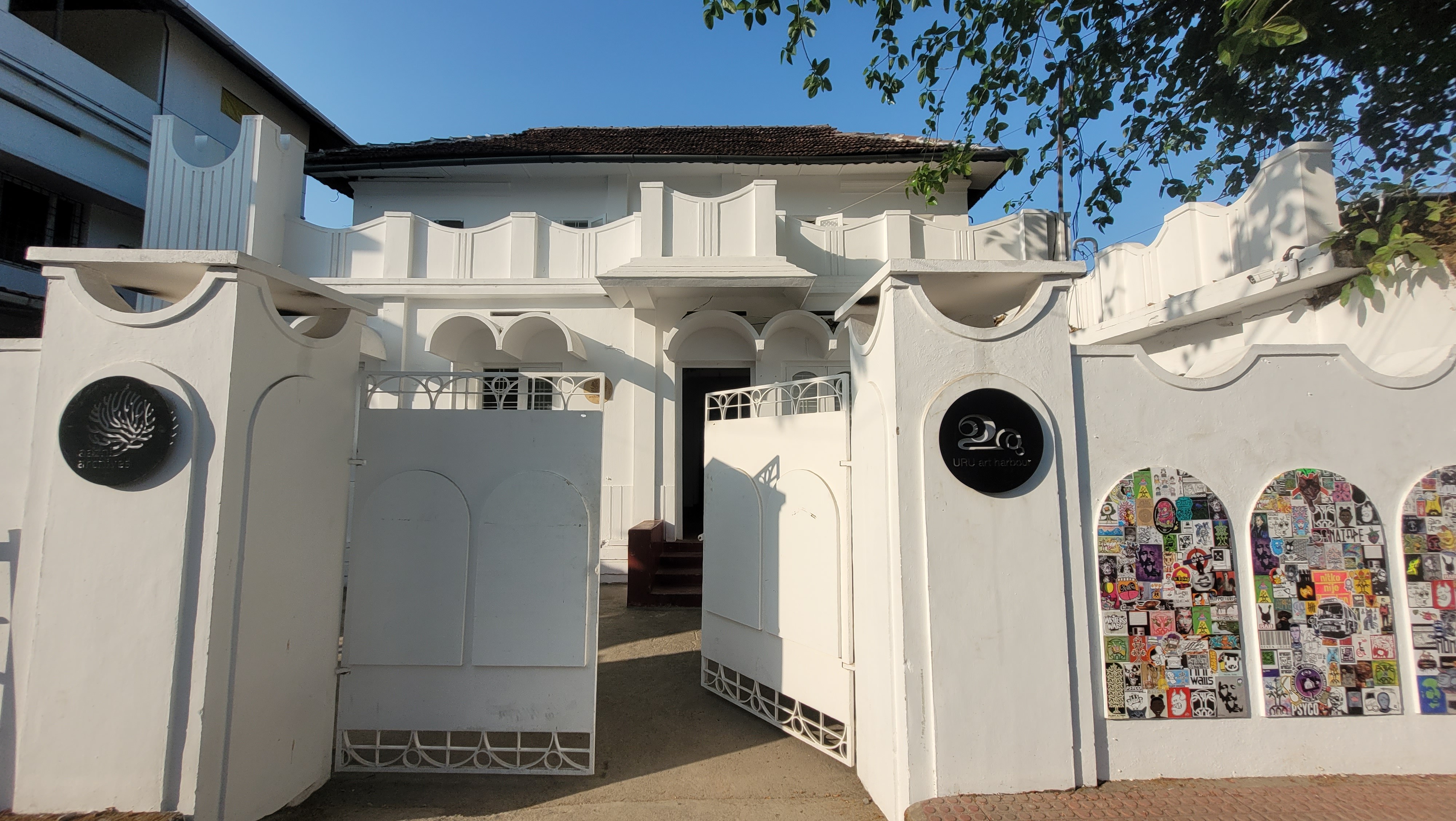
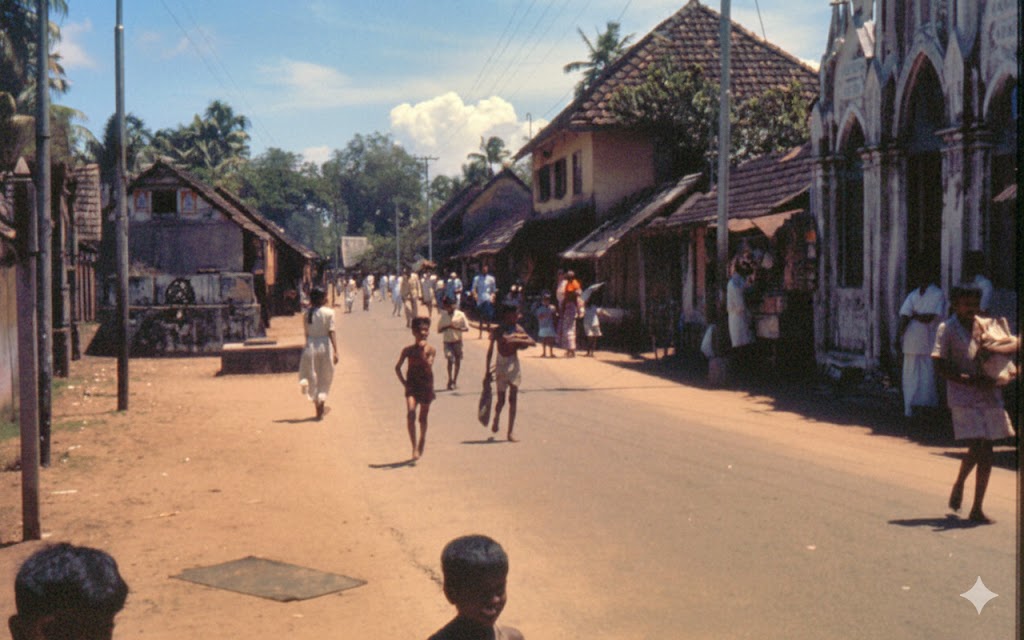
Spread across a modest three-square-kilometre radius, Kochi is among the few cities in post-Independence India where histories remain densely layered and visibly alive. More than thirty communities have lived here side by side for centuries; trading, negotiating, remembering, and reinventing themselves. Kochi is not merely a port city; it is a threshold. It is a place where worlds converge and where the texture of everyday life has always been shaped by movement.
The ocean lies at the heart of this story. Long before colonial powers arrived, Arab traders crossed these waters carrying spices, stories, languages, and ritual practices. Jewish communities found their way here and settled, followed in later centuries by Portuguese, Dutch, and British presences. These were not isolated episodes, but recurring waves that folded themselves into the evolving character of Kochi. Unlike inland cities where boundaries solidify once populations stabilise, Kochi’s identity has remained fluid, shaped by tides and trade winds.
This historical porosity of the city helped create a culture in which differences became ordinary. Even today, walking through Kochi, one encounters a mosaic of languages, faiths, and architectural styles. Mosques, synagogues, churches, and temples often stand within sight of one another. The city reads like a palimpsest, each neighbourhood inscribed with remnants of older worlds that continue to inform the new.
But coexistence in Kochi has always been more than just an aesthetic expression. It is an active negotiation, a daily practice. Workers in the spice markets, fishermen along the harbour, migrants who arrive in search of livelihood, all contribute to the city’s ecological and social rhythms. “Kochi quietly exemplifies a multicultural human spirit,” says Riyas Komu, artist and founder of Aazhi Archives. “One where differences are navigated through labour, food, climate, and the sea itself.”
It is this lived reality that shapes the conceptual framework of projects like Sea A Boiling Vessel and Amphibian Aesthetics. These projects see Kochi not as a static location but as a dynamic environment histories and futures continuously collide.
The city’s geography makes this especially tangible. Warehouses along the waterfront, once bustling sites of the global spice trade, now stand as architectural reminders of Kochi’s maritime entanglements. Inside them, one might still find the scent of pepper or ginger, or glimpses of old boats and furniture. When artworks are installed within them, they do more than occupy space. They activate the memories embedded in the architecture, revealing histories that persist beneath the surface of contemporary life.
Aazhi Archives has long treated Kochi as a site of knowledge rather than merely a site of display. Earlier exhibitions such as Mattancherry and Sea a Boiling Vessel dug into the intertwined histories of slavery, migration, labour, and oceanic exchange that shaped the city’s formation. These projects demonstrated that Kochi’s social fabric cannot be separated from its maritime past.
The same ethos carries into the work of artists featured in Amphibian Aesthetics. For instance, Kerala-based artist Ratheesh T explores solidarities between people that transcend caste and religion, using Kochi’s social landscape as his starting point. UAE-based Rami Farook’s multi-channel video installation on mosques reflects not just spirituality but the fragile political geographies that connect Kochi to wider global currents. Even the ship hull sculpture by Shanvin Sixtous reanimates the role of local shipbuilding industries in shaping the region’s relationship with water.
With programmes like Sea A Boiling Vessel and Amphibian Aesthetics, Kochi is not merely hosting art. It is also playing a part in reframing it. Ideas conceived elsewhere take on new meaning when situated within the city’s terrain, where land and water, past and present, human and more-than-human worlds continually intersect.
To understand Kochi, then, is to understand that thresholds are not borders. They are meeting points. They are where transformation happens. In Kochi, migration is not an anomaly but the norm. Pluralism is not an aspiration but an everyday practice. This is why the city remains such fertile ground for reframing global conversations around ecology, displacement, and coexistence.